 admin
adminHigh-rewarding visa sponsorship opportunities for transmission line technicians are opening doors across Britain, and if you’ve got the skills, there’s never been a better time to make your move. At £21.97 per hour, these positions aren’t just throwing you scraps—we’re talking about real money that translates to roughly £45,700 annually. That’s comfortable living anywhere in the UK, with enough left over to actually enjoy your weekends instead of just surviving until Monday rolls around again.
So what’s driving this surge in opportunities? Britain’s electrical grid is basically showing its age. Much of the infrastructure went up decades ago, and now it needs serious attention. Add to that the country’s ambitious renewable energy goals, and you’ve got a perfect storm of demand for skilled technicians who know their way around high-voltage systems. For foreign workers, this skills shortage translates directly into visa sponsorship opportunities that weren’t nearly as accessible just a few years back.
What Does a Transmission Line Technician Actually Do?
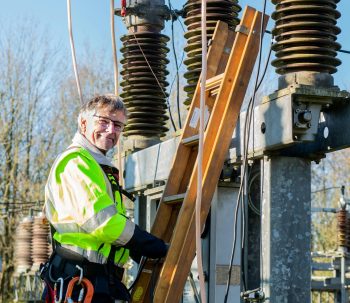
What does a transmission line technician actually do in the UK for £21.97 per hour? Let’s cut through the corporate jargon and get real about the daily work. You’re maintaining and repairing the high-voltage lines that carry electricity across the country—think of it as working on the motorways of the power system, not the neighborhood streets. These are the massive transmission towers you see marching across the countryside, carrying lines that operate at 275kV or 400kV.
Your day might start with climbing a 50-meter tower to inspect insulators and hardware. You’ll be checking for damage, replacing worn components, and making sure everything’s in working order before problems cause outages. Sometimes you’re part of construction crews building entirely new transmission corridors. Other times, you’re the emergency response team heading out during a storm to restore power when everyone else is staying safely indoors.
The work isn’t glamorous, and it’s definitely not for everyone. You need genuine technical knowledge—understanding electrical theory, high-voltage systems, and the specific safety protocols that keep you alive when you’re working with enough electricity to power entire towns. But there’s something satisfying about it. When you finish a job and flip the switch that brings power back to thousands of homes, that actually means something.
Getting Your Foot in the Door: Visa Requirements
Getting your foot in the door for these £21.97 per hour positions means navigating the UK’s Skilled Worker visa system, but honestly, it’s more straightforward than you might think. You need three main things: a job offer from a licensed sponsor, appropriate qualifications, and decent English skills. That’s it. No lottery system, no waiting lists that stretch for years—if you’ve got what they need, you’re in.
The job offer is obviously the crucial piece. Your potential employer needs to hold a sponsor license, which many of the major utility companies and contractors already have. Companies like National Grid, Scottish and Southern Electricity Networks, and various specialized contractors are actively looking for qualified technicians and have the licensing sorted. When they offer you a position, they’ll provide a Certificate of Sponsorship—basically a reference number that confirms your job details.
Your qualifications need to meet UK standards, typically equivalent to their Level 3 qualifications in electrical engineering or similar fields. If you trained in Australia, Canada, New Zealand, or several other countries with compatible systems, your credentials usually transfer pretty smoothly. For others, you might need a UK NARIC assessment to translate your qualifications into British terms. It costs a bit but removes any question marks about whether your training measures up.
English proficiency requirements aren’t unreasonable—you need functional communication skills, not Shakespeare. Most applicants take the IELTS exam and need to score around 6.0 overall. Given that you’ll be discussing technical matters with colleagues and occasionally explaining work to customers, being able to communicate clearly in English isn’t just a bureaucratic checkbox—it’s genuinely necessary for doing the job safely and effectively.
Where the Money Actually Goes
Where the money actually goes matters more than the headline number, so let’s talk about what £21.97 per hour means in practical terms. That base rate is solid, but overtime is where many technicians really boost their earnings. Emergency callouts, weekend work, and extended projects often pay time-and-a-half or double time. Given the nature of transmission infrastructure—stuff breaks at inconvenient times—overtime opportunities are regular, not rare.
Regional differences across the UK affect your actual spending power considerably. That £21.97 in London comes with a London Weighting allowance that bumps it up by several pounds per hour, but you’ll burn through that extra cash on rent faster than you can blink. The same rate in Newcastle, Glasgow, or Cardiff stretches much further because housing costs drop dramatically outside the Southeast.
Scotland deserves special mention. The renewable energy boom up north has created particularly strong demand for transmission technicians, often with enhanced rates and plenty of project work. Yes, the weather can be challenging—you’ll learn to respect Scottish winters quickly—but the combination of solid pay, lower living costs than London, and genuinely beautiful countryside makes it an attractive option for many sponsored workers.
Finding Employers Who’ll Actually Sponsor You
Finding employers who’ll actually sponsor you requires some strategic targeting, not just blasting out applications everywhere. Start with the UK government’s public register of licensed sponsors—it’s searchable and shows you exactly which companies can legally sponsor foreign workers. Cross-reference that against energy companies and contractors working in transmission, and you’ve got your target list.
Major utilities like National Grid and SSEN are obvious starting points. They’re huge organizations with established international recruitment processes, which means they know how to navigate sponsorship paperwork and won’t panic at the sight of a foreign applicant. Their size also provides job stability that smaller outfits can’t always guarantee.
Don’t overlook specialized contractors like Balfour Beatty or Morrison Utility Services. These companies work on transmission projects under contract to the utilities, often move faster in their hiring processes, and many maintain their own sponsor licenses. Some even specialize in international recruitment because they’re consistently facing skills shortages that the domestic labor market can’t fill.
Recruitment agencies focused on the energy sector can actually be useful intermediaries. Companies like Matchtech or NES Global Talent maintain relationships with sponsors and pre-screen candidates, potentially connecting you with opportunities that never get publicly advertised. They understand the visa process and can guide you through the mechanics while you focus on demonstrating your technical capabilities.
What Life’s Actually Like
What life as a sponsored transmission technician in the UK varies depending on where you land and who you work for, but some patterns are consistent. You’re working outdoors in all weather—British weather, which means you’ll experience rain, wind, and the occasional beautiful sunny day that makes you remember why you took the job. The work is physical. You’re climbing towers, carrying equipment, and working at heights that some people can’t handle even on their best day.
Safety culture in the UK is genuinely strong, not just corporate window dressing. Rules about working in extreme weather, mandatory rest periods, and equipment requirements aren’t suggestions—they’re enforced. This protects you from both accidents and employers who might push for unsafe productivity, though it sometimes means work gets delayed by conditions that might not stop work in other countries.
The social aspect matters more than you might expect, especially as an international worker adjusting to a new country. Transmission line crews are small, tight-knit teams that spend long days working together in challenging conditions. These relationships often extend beyond work hours, providing a ready-made social network in what might otherwise be an isolating experience of relocating internationally.
Career progression exists if you want it. After establishing yourself, paths open toward senior technician roles, supervisory positions, or specializations in emerging technologies like HVDC systems or renewable energy integration. The £21.97 hourly rate is a strong starting point, but it’s not a ceiling—experienced technicians with additional certifications and responsibilities can push well beyond £50,000 annually.
Making the Move
Making the move to a UK transmission line technician position with visa sponsorship isn’t a casual decision, but for qualified workers, the opportunity is genuinely solid. The combination of skills shortages, competitive pay, and comprehensive visa pathways creates a realistic route to international employment that doesn’t exist in many other trades.
The work demands real skills and genuine physical capability—this isn’t something you can fake your way through. But if you’ve got the electrical knowledge, the certifications, and the constitution for working at heights in variable weather, Britain’s transmission sector needs you. The £21.97 per hour translates to a comfortable middle-class lifestyle, the visa process is navigable for qualified applicants, and the long-term prospects include both career advancement and potential permanent residency after five years.
Whether you’re looking to escape limited opportunities in your home country, seeking international experience, or just ready for a change of scenery while doing meaningful technical work, these positions offer a legitimate path forward. The grid needs maintaining, Britain needs workers who can do it, and the compensation reflects that reality.

 admin
admin